Scope of work
- Installation and electrical alignment of new gen-sets
- Alternator inspection and repair: windings, insulation, bearings, slip rings
- Excitation systems: brushless exciter, rotating diodes, PMG, static systems
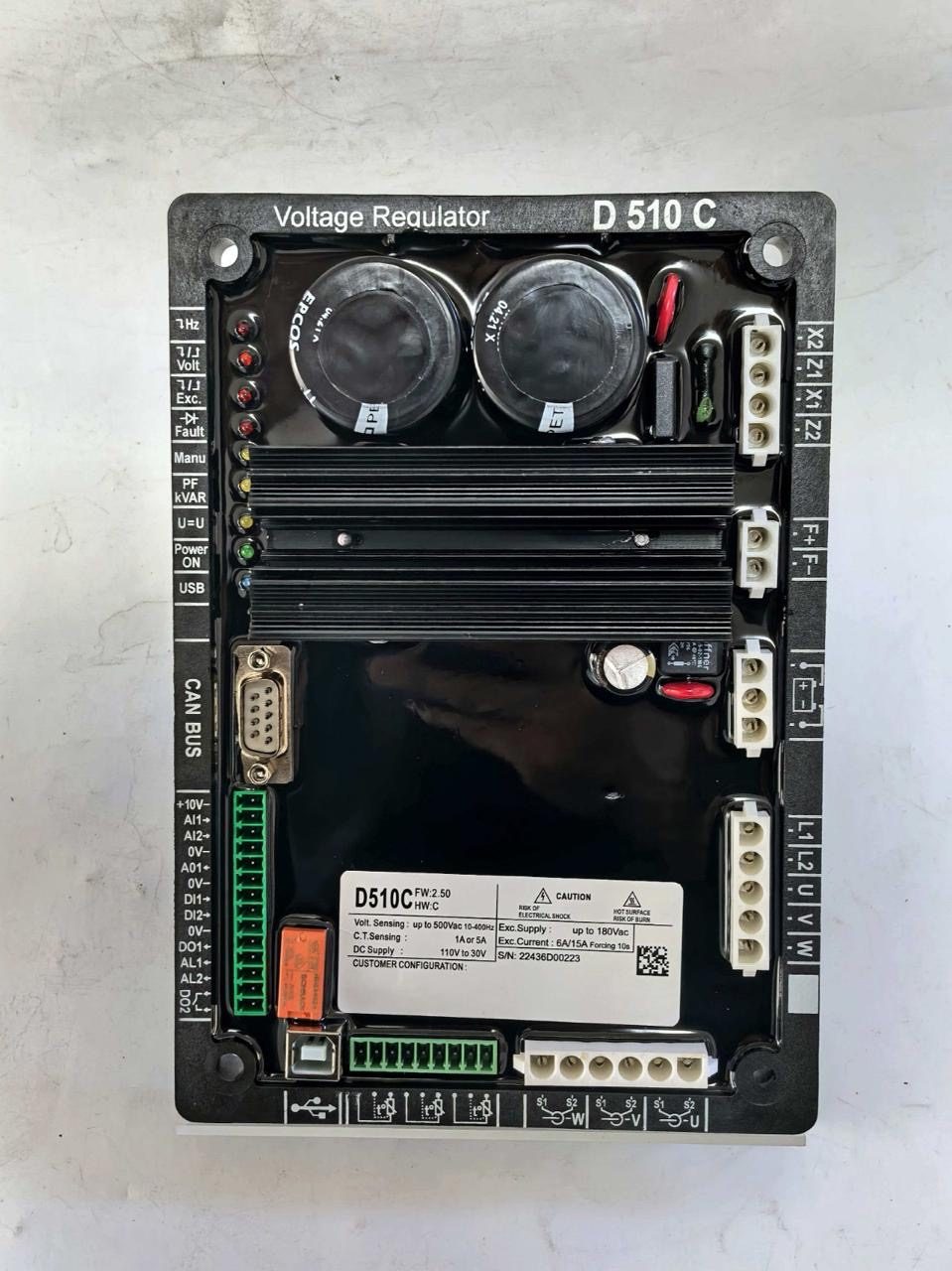
- AVR setup and replacement, droop and cross-current compensation
- Generator protection: overcurrent, reverse power, over/under voltage, earth fault
- Generator controller checks and the interface to the PMS
- Load testing, insulation measurement and polarization index
- Preventive maintenance programmes by running hours
Typical symptoms & failures
- The machine will not build up excitation, or loses it under load
- Unstable voltage, hunting or flicker on the network
- Overheating disproportionate to the load carried
- Low winding insulation after a period out of service
- Noise and vibration that appeared after paralleling
- A protection trip that does not match any real condition
What you receive
- Alternator measurement protocol with insulation and resistance values
- Recorded AVR and protection settings
- Condition report with prioritised recommendations
- A proposal for critical spares to carry onboard
Equipment & protocols
- Experience across alternators and gen-sets from the major marine manufacturers
- AVRs and protection units from a range of makers
- Insulation testers, micro-ohmmeters, power analysers
- Load banks for load testing where required
From the field
Frequently asked questions
Do you also carry out mechanical engine service?
Our specialisation is the electrical and automation side. We work alongside the engine workshop and set a clear boundary of responsibility.
The generator has been idle for a long time. What do we check first?
Winding insulation and moisture, bearing condition, and the excitation diodes and capacitors. Starting without an insulation check is the most common way to destroy a healthy machine.
Can a full-load test be done at anchor?
Yes, with a load bank. It is the only reliable way to prove behaviour at a load the vessel does not produce in port.