Scope of work
- Systematic fault finding using measurements, drawings and event analysis
- Earth-fault location on IT distribution systems and restoration of insulation
- Generator faults: excitation, AVR, protection, controller
- Switchboard, breaker, interlock and control-circuit faults
- Automation faults: I/O, power supplies, communications, field sensors
- Repair of motors, starters, soft starters and inverter (VFD) drives
- Cargo pump fan VFD and bow thruster faults: power, control and parameter side
- Safe temporary restoration, clearly recorded, with a plan for the permanent fix
- Technical report stating cause, actions taken and prevention
Typical symptoms & failures
- An earth-fault alarm that appears and clears with load
- Repeated breaker tripping with no visible overload
- A motor that starts and stops, or refuses to start only when hot
- Local and remote instruments disagreeing
- A fault that has been 'fixed' three times and keeps coming back
What you receive
- Fault report with a documented root cause
- Photographic record before and after the intervention
- List of parts used and spares recommended to carry
- An explicit distinction between temporary and permanent repair
Equipment & protocols
- Insulation testers, clamp meters, power-quality analysers
- Oscilloscopes and recorders for intermittent faults
- Thermal imaging for loose connections and hot spots
- CAN bus and Modbus diagnostic tools
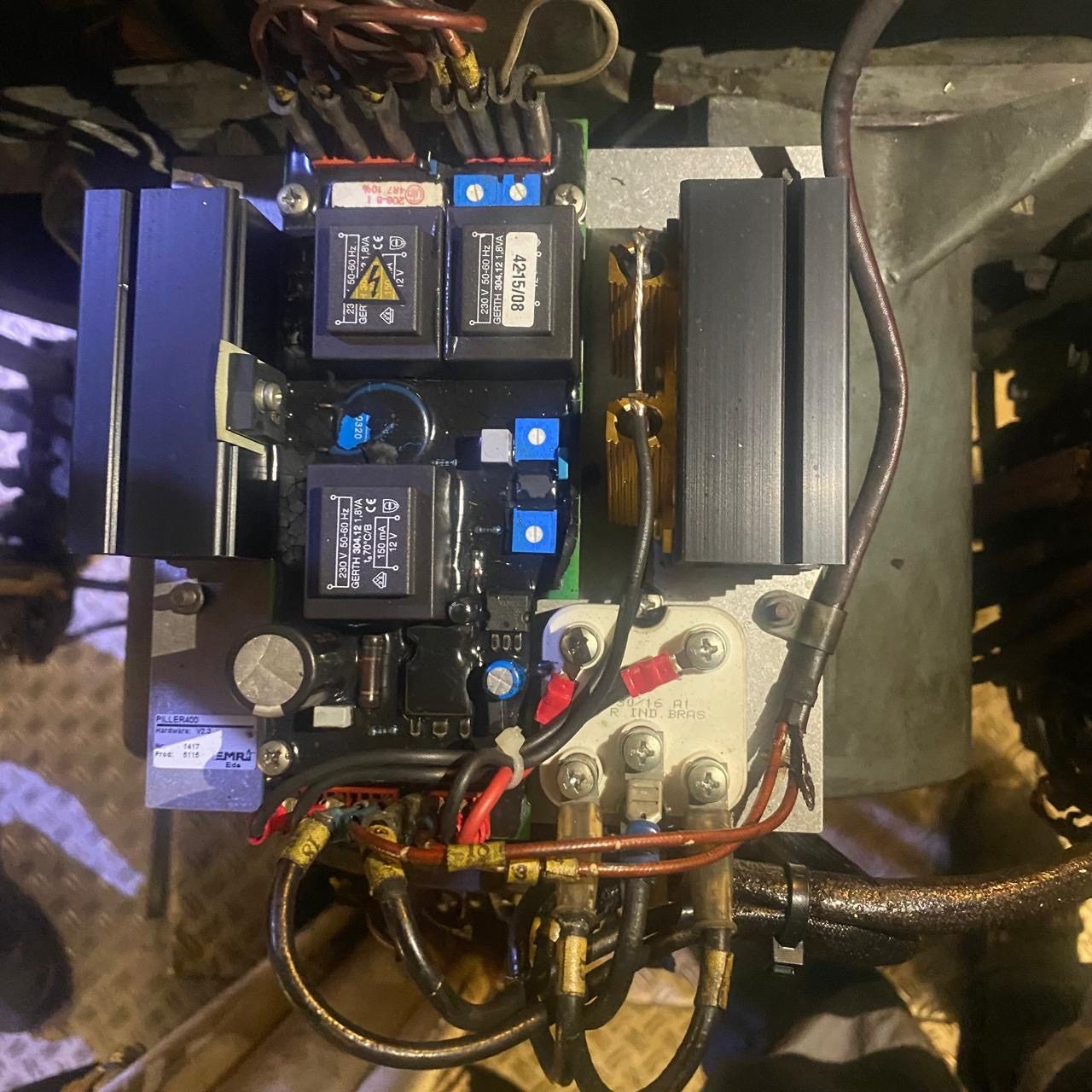
From the field
Frequently asked questions
How quickly can you be onboard?
In Attica and Greek ports, usually same day or next day. For international call-outs we agree mobilization with the technical department and give a realistic ETA.
Do you work while the vessel is trading?
Where the manager's procedures allow it, yes — riding squad, or joining at an intermediate port.
What if the fault is not solved on the first visit?
You get everything measured and everything ruled out, so the next attendance does not start from zero. Intermittent faults often need a recorder left in place for days.